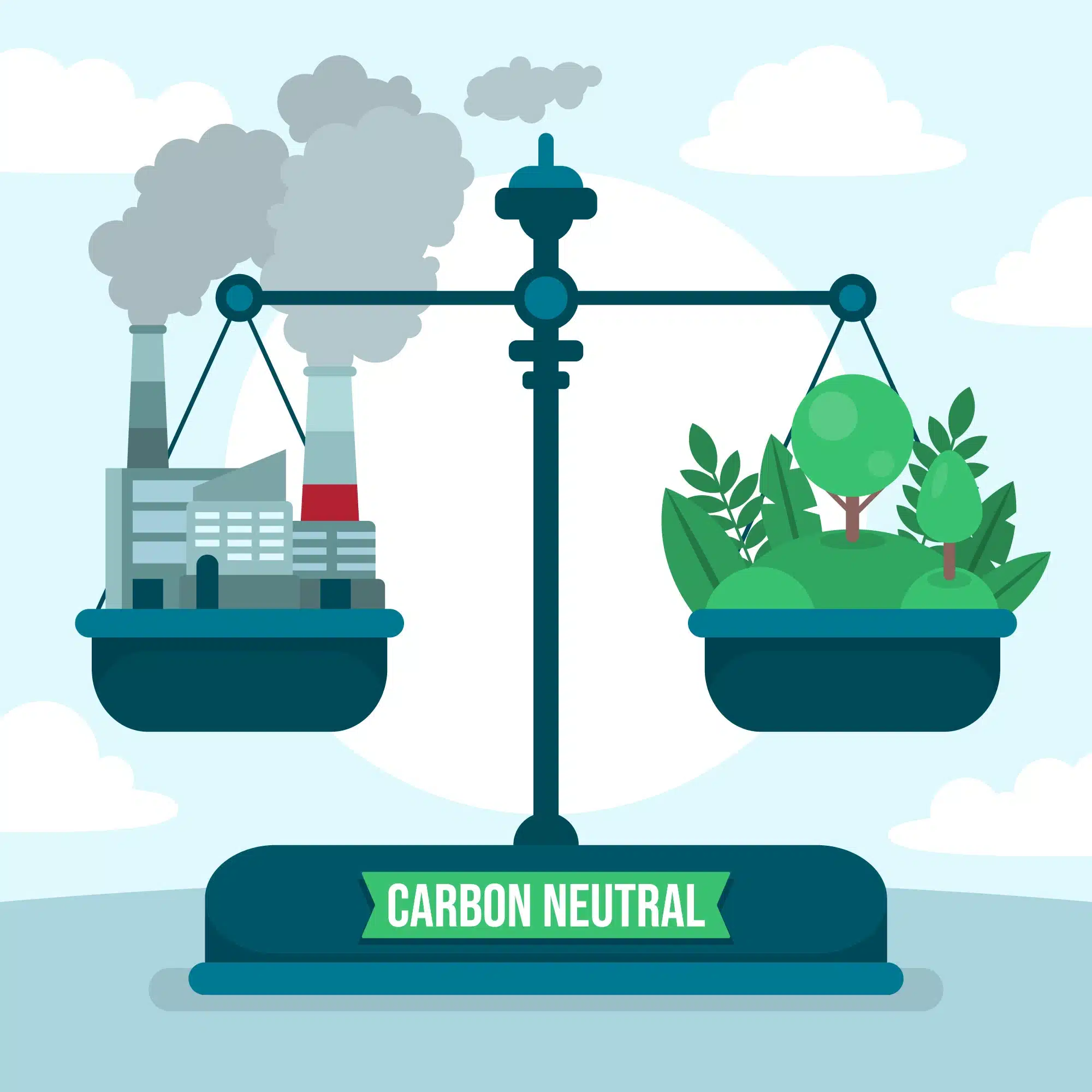
The Corporate Sustainability Reporting Directive (CSRD) represents a significant shift in how companies within the European Union disclose their environmental, social, and governance (ESG) performances. Implemented in January 2023, this directive aims to enhance the transparency and comparability of sustainability information, enabling stakeholders to make more informed decisions. The directive also focuses on addressing climate change and the principle of ‘double materiality,’ which requires companies to disclose both the risks posed by climate change and their contributions to it.
What Does the CSRD Entail?
The CSRD expands reporting obligations to a broader range of companies, including large enterprises and listed small and medium-sized enterprises (SMEs). Companies subject to the directive must familiarize themselves with the new rules and standards. These reports must include financial and sustainability information, integrating both types of data in their management reports. The preparation of sustainability reports mandates the inclusion of sustainability information in the management report. The directive aims to foster economic flows towards more sustainable business models, enhancing sustainability and meeting reporting requirements. Companies are required to report in accordance with the European Sustainability Reporting Standards (ESRS), which provide uniform criteria for sustainability reporting. These reports must include information on environmental impact, social matters, and governance issues, and must be verified by an independent auditor to ensure reliability.
Who Is Subject to the CSRD?
The implementation of the CSRD is phased:
- From January 1, 2024: For companies already subject to the Non-Financial Reporting Directive (NFRD).
- From January 1, 2025: For other large companies meeting at least two of the following criteria:
- More than 250 employees
- More than €50 million in annual revenue
- More than €25 million in total assets
- From January 1, 2026: For listed SMEs, with the option to defer until 2028.
The financial criteria for companies to be subject to the CSRD include net turnover thresholds, specifically for companies with an annual net turnover of over €40 million or €150 million in revenue from EU operations. Non-EU companies are also required to comply if they meet certain financial criteria within the EU. The Sustainable Finance Disclosure Regulation (SFDR) mandates improved disclosure of sustainability impacts to ensure transparency and accountability for investors.
Challenges in Implementing the CSRD
Complying with the CSRD presents several challenges for companies:
- Data Collection and Management: Companies must gather extensive and accurate data on their sustainability practices, which may require revising existing systems or implementing new ones.
- Transparency and Verification: The requirement for external verification means that companies need robust controls to ensure the accuracy of their reports.
- Strategic Integration: Sustainability must be embedded into the core strategy of the company, potentially necessitating shifts in business models and cultures.
How Can Carbify Assist?
At Carbify, we understand the complexities of sustainability reporting and offer solutions to help companies comply with CSRD requirements:
- Transparent CO₂ Offsetting: Our advanced agroforestry systems in the Amazon effectively absorb CO₂. Each tree is individually geo-tagged and monitored, allowing us to provide precise data on CO₂ absorption. This data is stored on the blockchain, ensuring immutable and verifiable reports.
- Real-Time Monitoring: Our platform offers real-time tracking of your CO₂ offsetting efforts. Through user-friendly dashboards, you can immediately monitor the impact of your sustainability initiatives, aiding in meeting the CSRD’s transparency requirements.
- Data Management Support: We assist in collecting and managing the necessary data for your sustainability reports, allowing you to focus on your core activities while ensuring CSRD compliance.
- Verification and Compliance: Our solutions are designed to meet the highest standards of verification and compliance, ensuring that your sustainability reports are reliable and audit-proof.
The introduction of the CSRD imposes significant obligations on companies regarding sustainability reporting. With Carbify’s support, businesses can effectively address these challenges, comply with the new regulations, and make a positive impact on the environment and society. Our transparent, technology-driven approach to CO₂ offsetting provides the tools and insights needed to navigate the complex landscape of the CSRD.
Contact us today to discover how we can assist your company in achieving its sustainability goals and complying with CSRD requirements.
Understanding the CSRD
The Corporate Sustainability Reporting Directive (CSRD) is a landmark European Union (EU) legislation designed to enhance corporate sustainability reporting. It mandates that large companies publish regular reports detailing their environmental and social impact activities. The primary goal of the CSRD is to provide investors, consumers, policymakers, and other stakeholders with a clear and comprehensive view of a company’s non-financial performance. By doing so, the directive encourages businesses to adopt more responsible and sustainable business models. For the first time, the CSRD offers a common reporting framework for non-financial data, ensuring consistency and comparability across the board. This initiative underscores the EU’s commitment to fostering transparency and accountability in corporate sustainability reporting.
CSRD Compliance and Requirements
To comply with the CSRD, companies must submit their CSRD-compliant report by January 1, 2025, for the 2024 financial year (FY). The directive applies to large companies, although the exact threshold is not specified. These companies are required to provide detailed reports on their environmental and social impact activities, as well as the sustainability risks they face and their potential impact on performance. The CSRD significantly broadens the scope of businesses required to report on their sustainability efforts and elevates the level of disclosure required. This ensures that stakeholders have access to comprehensive and reliable sustainability information, promoting greater transparency and accountability.
How Carbify Supports Businesses in Sustainability Reporting
Carbify is a leading provider of sustainability reporting solutions, dedicated to supporting businesses in complying with the CSRD. Our expertise in sustainability reporting, combined with our cutting-edge technology, enables us to deliver accurate and reliable sustainability data. We assist businesses in identifying and mitigating sustainability risks, enhancing their reputation and brand value, and demonstrating their commitment to sustainability and transparency. Our solutions are tailored to meet the CSRD reporting requirements, helping businesses achieve their sustainability goals and navigate the complexities of the new directive.
What is the CSRD?
- The Corporate Sustainability Reporting Directive (CSRD) is a European Union (EU) legislation that requires large companies to publish regular reports on their environmental and social impact activities.
- The CSRD supports investors, consumers, policymakers, and other stakeholders in evaluating large companies’ non-financial performance, encouraging responsible business approaches.
- The European Commission defines a common reporting framework for non-financial data for the first time, transforming companies’ scope of sustainability reporting.
Scope and Applicability
- The CSRD applies to large companies, including those listed on stock exchanges, banks, and insurance companies.
- Non-EU companies must comply if they have a significant impact on the EU market, such as having significant revenue or assets in the EU.
- The CSRD targets financial and non-financial companies covered by the Accounting Directive and the Transparency Directive.
Sustainability Reporting Requirements
- Companies will need to disclose sustainability information in their management reports, including financial and sustainability information.
- The sustainability data will be submitted in a standardized digital format and subject to “limited third-party assurance.”
- The submitted data will be published in the European single access point database.
- The CSRD requires companies to report on sustainability risks and their potential impact on performance.
Implementation Timeline and Compliance
- The CSRD officially entered into force on January 5, 2023, after receiving final approval from the European Union Council on November 28, 2022.
- The phased implementation of the Directive will occur as follows: January 1st, 2024, January 1st, 2025, January 1st, 2026, and January 1st, 2027.
- Companies must submit their CSRD-compliant report by January 1, 2025, for the 2024 financial year (FY).
Preparing for CSRD Compliance
- Companies should start taking action now to prepare for the new rules.
- The CSRD’s implications for businesses are immense, affecting operations and strategic planning.
- Companies must start preparing for the CSRD, collecting data early to ensure compliance by the deadline.
- Seek guidance from policy experts to develop an effective compliance strategy and ensure readiness for the CSRD.
Benefits of CSRD Compliance
- Companies can benefit from improved reputation, increased transparency, and better stakeholder engagement.
- The CSRD can help companies identify and mitigate sustainability risks, and seize opportunities for growth and innovation.
- Compliance with the CSRD can also lead to cost savings and improved operational efficiency.
Relationship with the Non-Financial Reporting Directive (NFRD)
- The CSRD replaces and consolidates the NFRD adopted in 2014.
- The main changes to note between CSRD requirements and NFRD requirements are the increased scope and the introduction of new reporting requirements.
- The CSRD builds on the NFRD by introducing more detailed reporting requirements and expanding the number of companies that have to comply.
Environmental Performance Indicators
- The CSRD requires companies to report on environmental performance indicators, including greenhouse gas emissions and other environmental impacts.
- The European Commission has set up a platform (European Single Access Point – ESAP), which centralizes all financial and sustainability information.
- The CSRD is based on the principle of double materiality, which considers both financial and sustainability information.
ESG Criteria and Reporting
- The CSRD adds several requirements applicable from 2023, including the reporting of greenhouse gas emissions and other environmental impacts.
- Companies must report on ESG criteria, including environmental, social, and governance factors.
- The CSRD requires companies to provide detailed reports on sustainability and elevates the level of disclosure required.
Next Steps and Resources
- Companies should start taking action now to prepare for the new rules.
- The Carbon Trust recommends companies take steps to understand the reporting requirements and prepare for the changes.
- The European Sustainability Reporting Standards (ESRS) are intended to standardise non-financial statements by companies.
- The ESRS standards specify the general principles and general reporting requirements, as well as the various ESG criteria.